Window Tinting Warranty and Aftercare

  • Reputable professional tint shops usually offer warranties or guarantees on both materials and workmanship (e.g., covering bubbling, peeling, adhesive failures). 
  • Warranty terms depend on the shop and film used — check whether the warranty covers fading, discoloration, detachment, etc.
  • After installation, there’s usually a “curing” period before you should roll down windows or clean them — often 48–72 hours. 
  • Avoid washing the car or using strong/abrasive chemicals on the glass during curing to prevent loosening the adhesive. 

Have a question about your project?

Talk to Shine Theory about tinting, protection, or the right service for your vehicle, home, or business.

Window Tint Maintenance and Cleaning

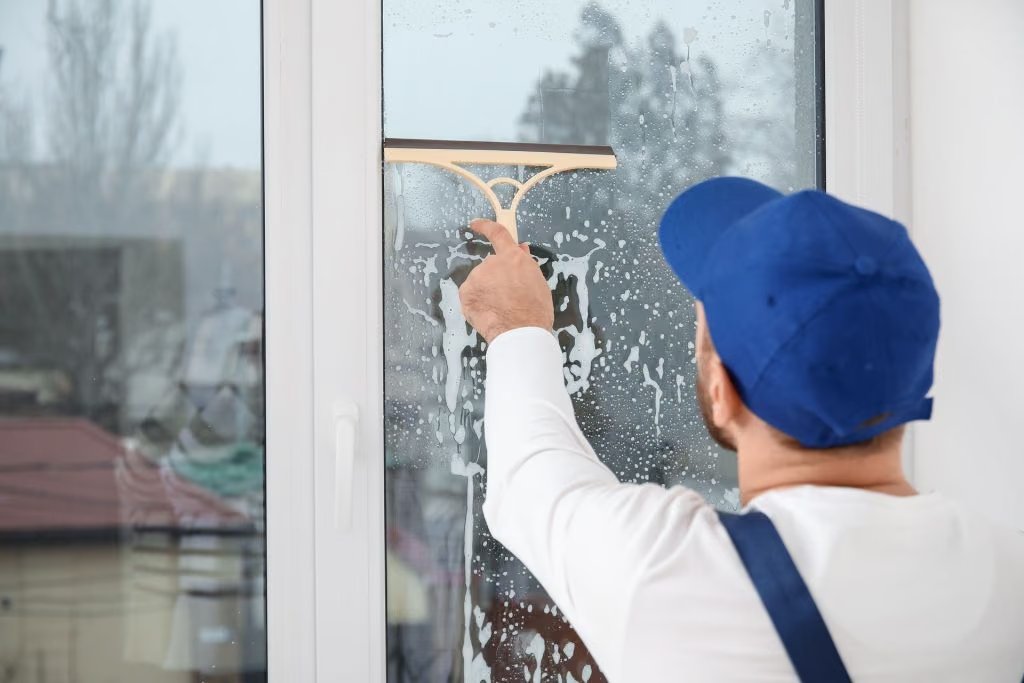
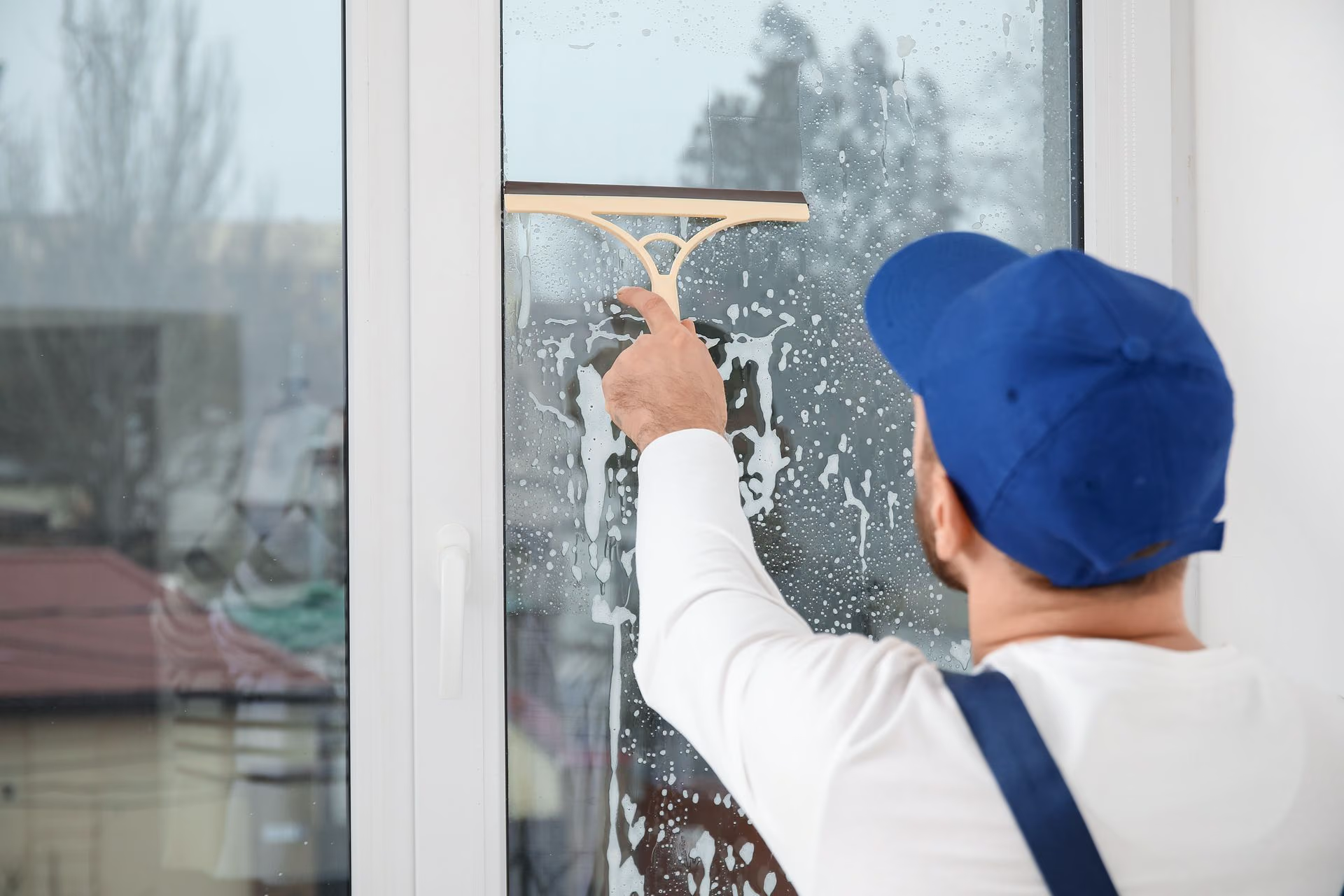
  • After curing, use only ammonia-free window cleaners and soft microfiber cloths — harsh cleaners (especially with ammonia) can degrade the film’s adhesive. 
  • Clean tinted windows in the shade rather than under direct sun to prevent streaking and ensure better results. 
  • Avoid abrasive scrubbers, rough brushes, or scraping objects — these can scratch the tint or damage adhesion. 
  • Periodically inspect edges, corners, and adhesive bonds — if you see peeling or lifting, address it early to avoid full failure over time.

Have a question about your project?

Talk to Shine Theory about tinting, protection, or the right service for your vehicle, home, or business.

Window Tint Removal and Replacement

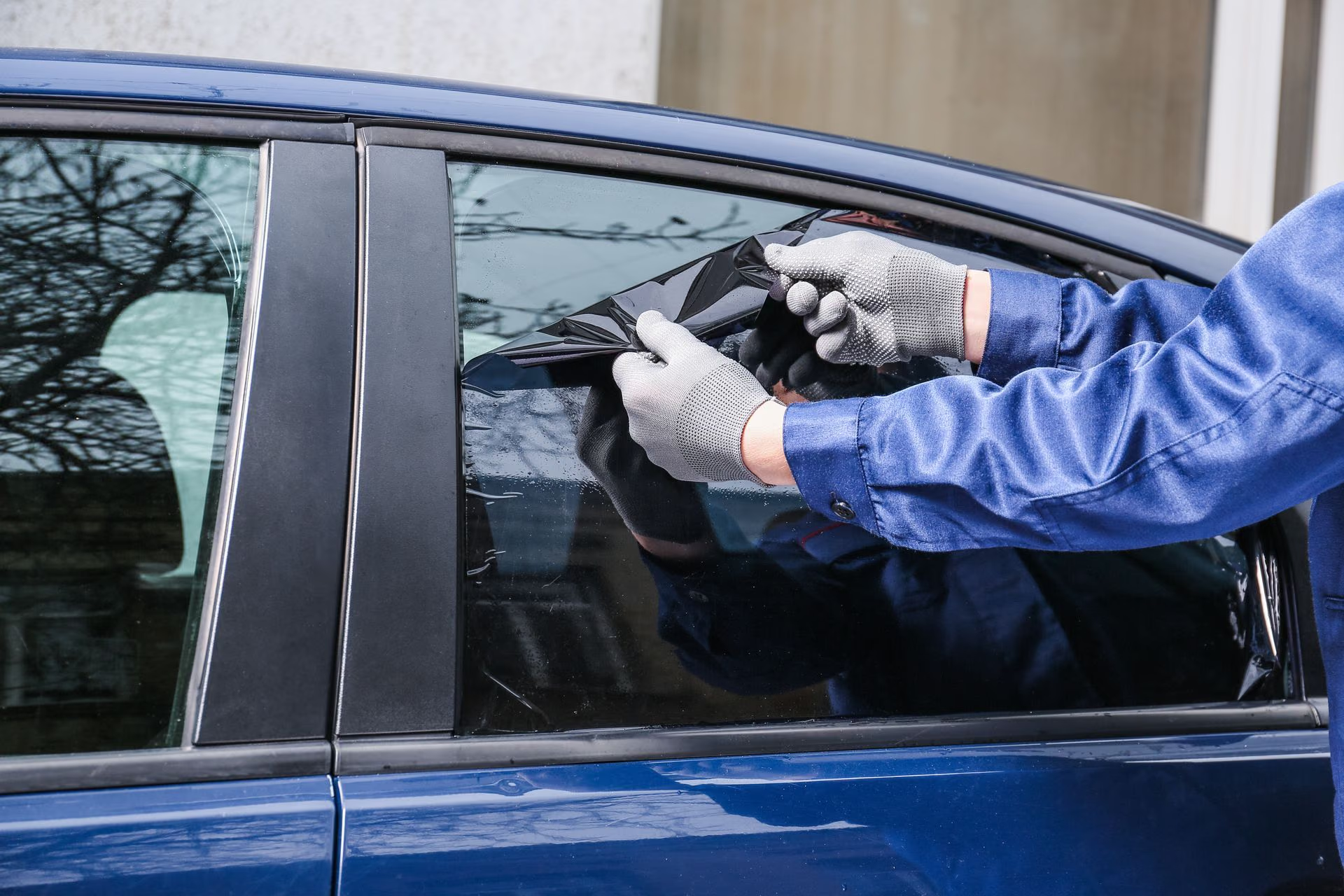
  • Removing old tint (before replacing or upgrading) can add significant time, especially if adhesive is strong or the old film is degraded — in some cases, 1–2 extra hours. 
  • Removal must be done carefully to avoid damaging the glass or defroster lines (on rear windows) if your vehicle has them. 
  • Once removed (and glass cleaned properly), you can apply a new tint — but give adequate curing time after replacement just like with a first-time install.

Have a question about your project?

Talk to Shine Theory about tinting, protection, or the right service for your vehicle, home, or business.

How Long Does Window Tinting Take?

  • For typical automotive tint jobs, professional installation usually takes about 1.5 to 3 hours for a standard car. autofilmspecialists.com+2
  • For larger vehicles (SUVs, vans, trucks) or more complex jobs (many windows, curved glass, high-performance film), it may take 3–4 hours or more. 
  • If there’s old tint to remove first, that adds time — full removal + re-tinting can push toward 4–6 hours depending on complexity. 

Have a question about your project?

Talk to Shine Theory about tinting, protection, or the right service for your vehicle, home, or business.

How to Choose a Reliable Window Tinter

When selecting a professional window tint service, keep these in mind:

  • Look for experience and good reviews — shops that have done many jobs are likelier to deliver quality results.
  • Ask what type of film they use (dyed, metalized, carbon, ceramic, etc.) and whether it matches your goals (heat reduction, UV protection, privacy, etc.).
  • Confirm they provide a warranty or guarantee on workmanship and film quality.
  • Make sure they know and comply with local tint laws (VLT limits, reflectivity, legal windows to tint).
  • Consider convenience & scheduling — a shop that is reliable with time and uses quality tools/environment helps ensure a smooth job.

Have a question about your project?

Talk to Shine Theory about tinting, protection, or the right service for your vehicle, home, or business.

Local Window Tinting Regulations and Laws

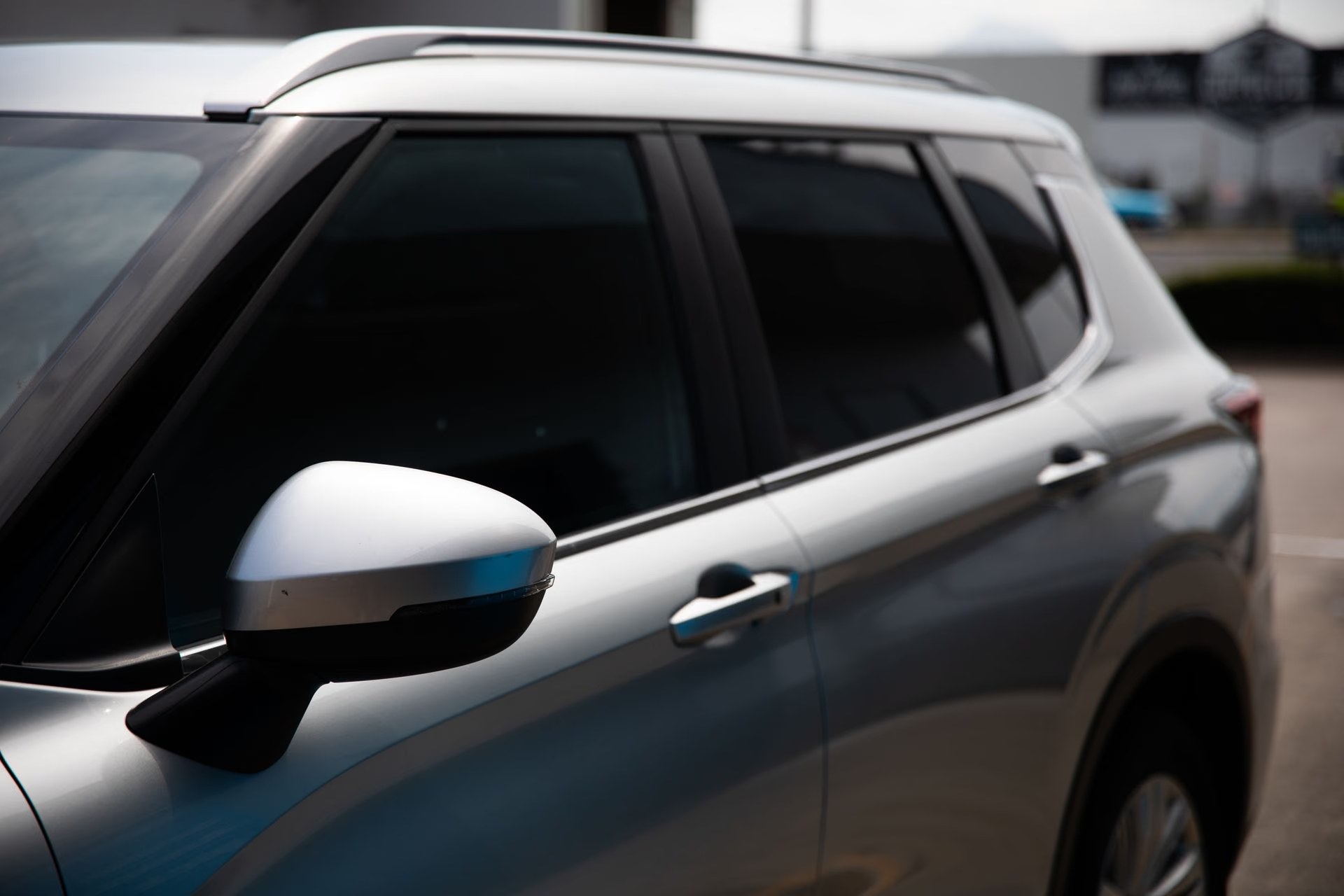
  • Tinting laws vary by state, county, and sometimes city — they usually set limits on Visible Light Transmission (VLT) (how much light must pass through windows), reflectivity, and which windows may be tinted. 
  • Because of this, an installation that’s fine in one place may be illegal in another — that’s one advantage of using a professional, since they’re likely familiar with local regulations and can ensure compliance. 
  • If you DIY, you must research your local (state / county / municipality) laws to avoid fines or being forced to remove non-compliant tint.

Have a question about your project?

Talk to Shine Theory about tinting, protection, or the right service for your vehicle, home, or business.

Pros and Cons: DIY Window Tinting vs Professional Service

Advantages of DIY tinting

  • Cost savings — DIY kits cost significantly less than professional installation, because you’re only paying for materials. 
  • Flexibility & convenience — You can work on your own schedule rather than waiting for an appointment. 
  • Satisfaction & control — Doing it yourself gives a sense of accomplishment and full control over film choice, darkness level, and timing. Nice Tintz Memphis+1

Disadvantages of DIY tinting

  • Requires skill & patience — Applying window tint well takes precision to avoid bubbles, creases or misalignment. Mistakes may require you to redo the whole job. 
  • Quality/material limitations — DIY kits may use lower-grade film than professionals, which can fade, peel, or offer subpar heat/UV protection. 
  • Time-consuming — The process can take several hours; plus, if mistakes are made, more time (and possibly money) is required. 
  • Legal/regulatory risk — If you’re not familiar with local tint laws, DIY tinting can result in something that violates regulations (wrong darkness, reflectivity, VLT percentage, etc.). 

Advantages of Professional Tinting

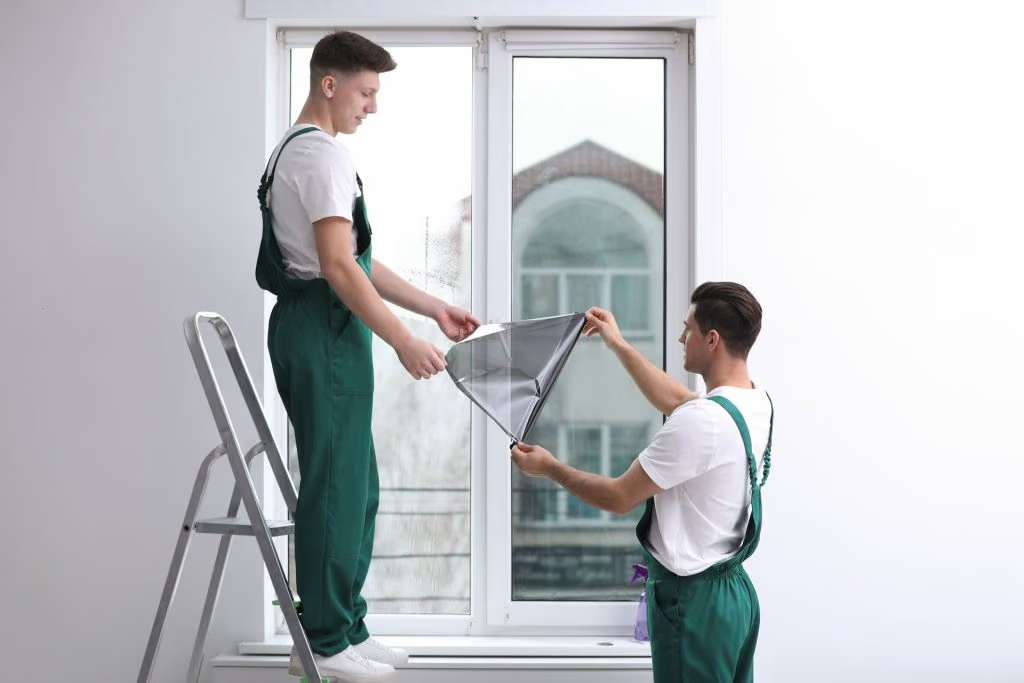
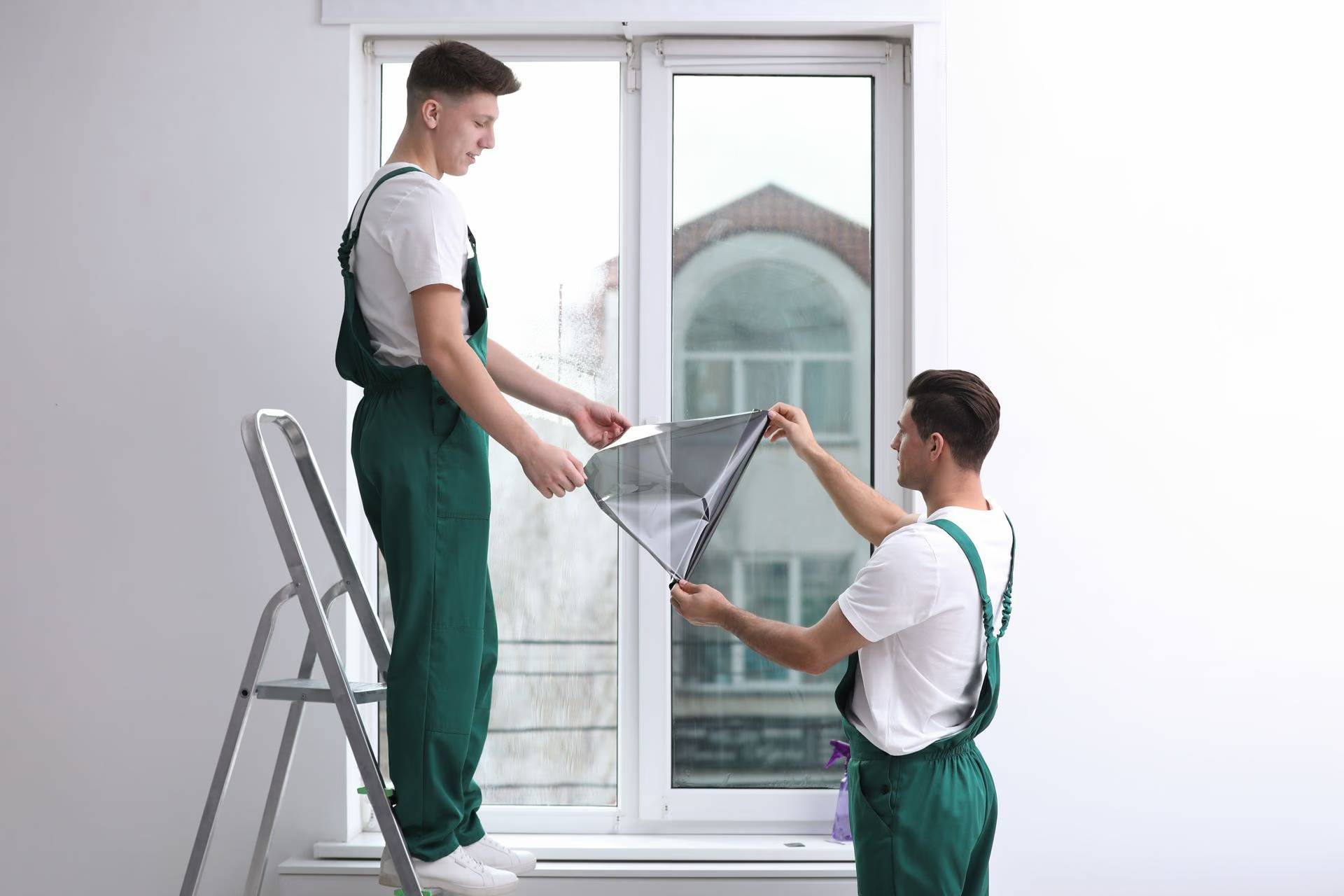
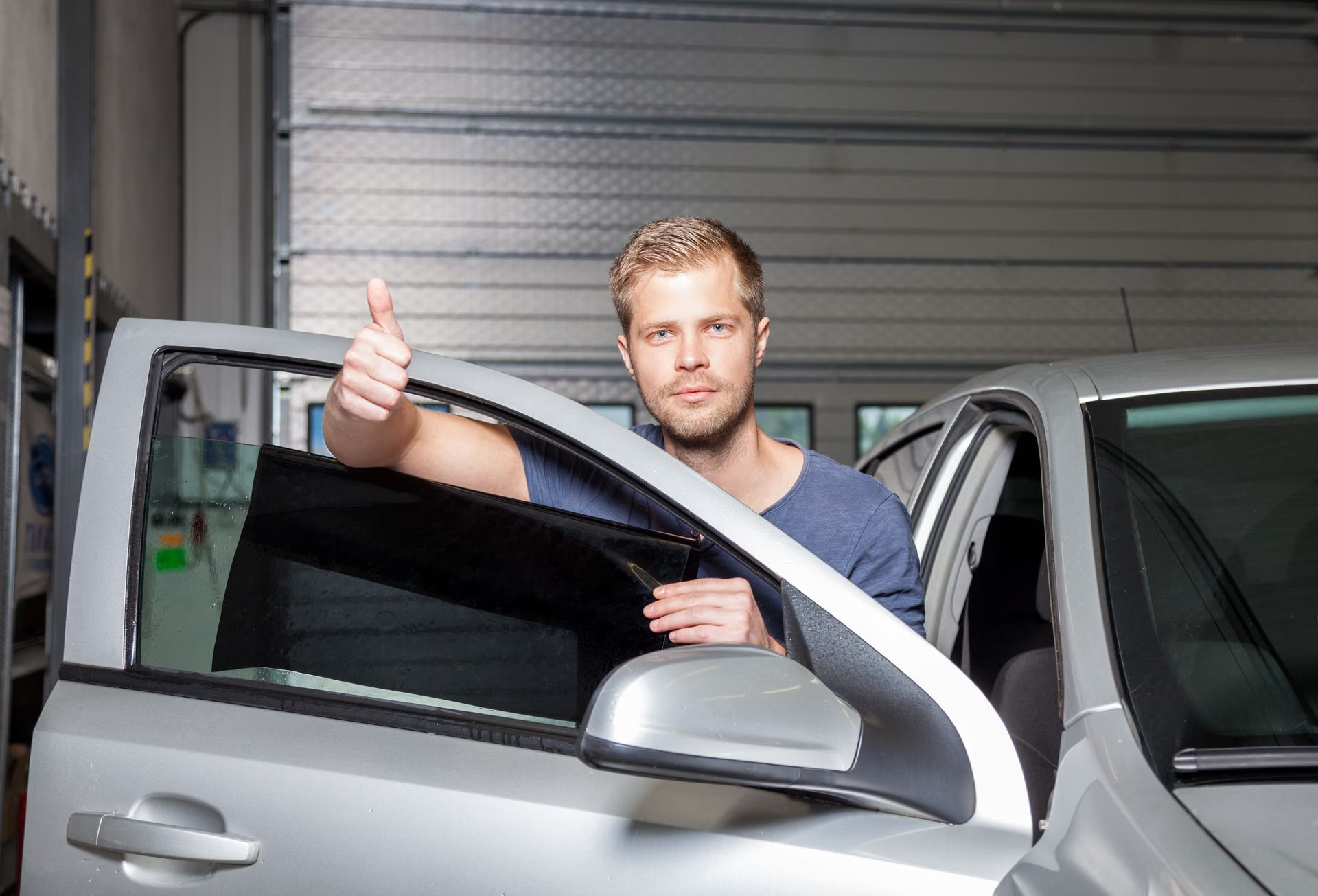
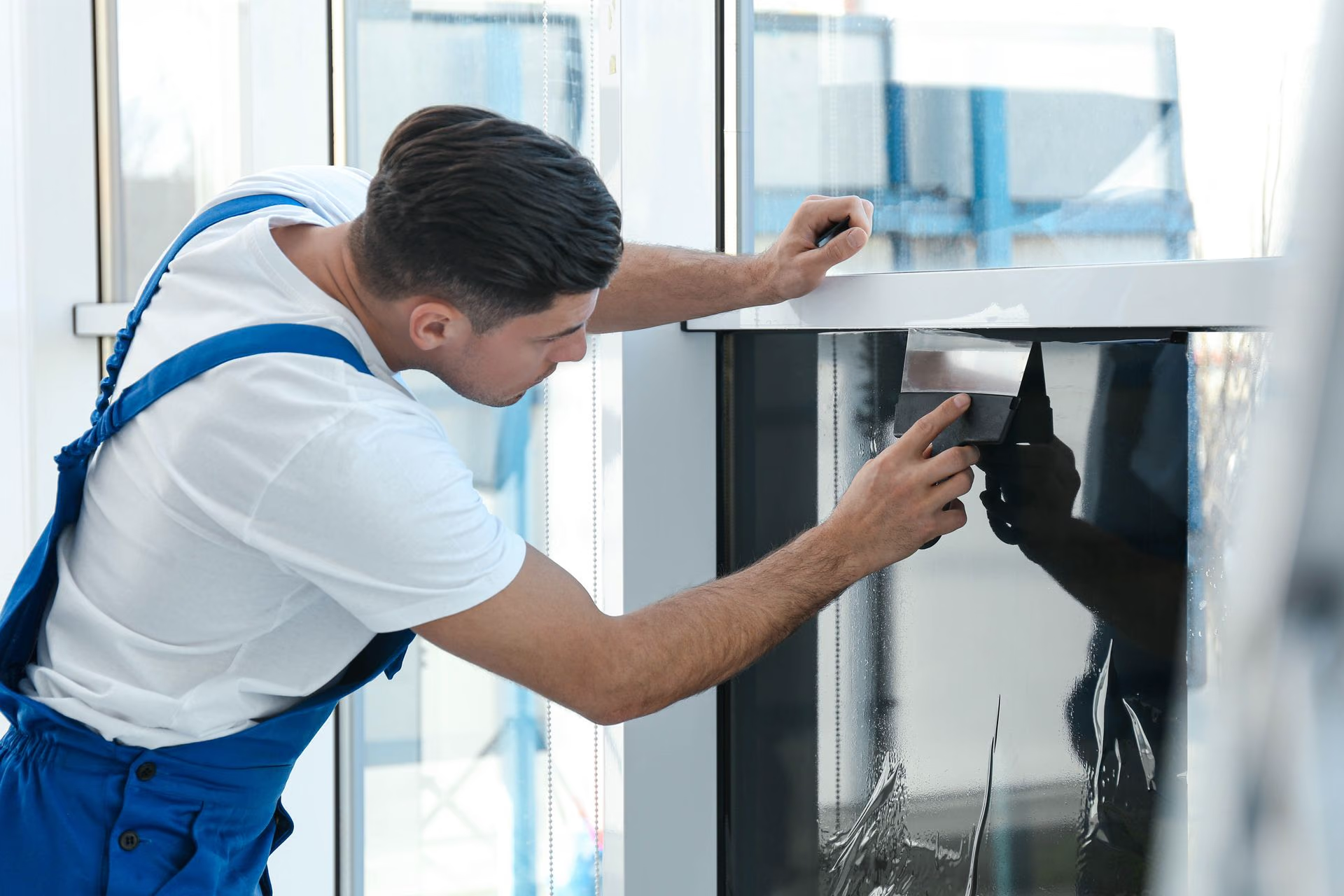
  • Expertise & quality finish — Professionals have the experience, tools, and environment to apply film cleanly with minimal imperfections (no bubbles, peeling, etc.). 
  • Durable, high-quality films — Tint shops often use commercial-grade or premium films (e.g., ceramic, carbon, metalized) with better heat/UV rejection, clarity, and longevity. 
  • Time efficiency — For vehicles, a pro install usually takes far less time overall than a DIY job. 
  • Warranty / guarantee — Many professional installers offer warranties against defects (bubbling, peeling, adhesive failure), giving peace of mind. 
  • Legal compliance — A professional shop is more likely to know and follow local laws/regulations for tint darkness/visibility. 

Disadvantages of Professional Tinting

  • Cost — Professional installation is more expensive (materials + labor) compared to DIY. 
  • Less control over schedule — You need to book an appointment and wait for availability, which might not fit your timeline. 

Have a question about your project?

Talk to Shine Theory about tinting, protection, or the right service for your vehicle, home, or business.